THE PROBLEM
Intentions slip most
In a week-long diary study, 64% of memory failures were forgotten intentions, and they were rated the most serious and consequential type.
See the numbersWHAT THE RESEARCH SAYS
Most memory slips are things we meant to do.
Posting the letter, taking the bag, using the voucher. Psychologists call it prospective memory, and research points to a few simple habits that help intentions reach the right moment.
RIGHT PLACE right time
THE SHORT ANSWER
Forgetting to do things is the most common slip.
The fix is a cue at the moment you can act.
THE PROBLEM
In a week-long diary study, 64% of memory failures were forgotten intentions, and they were rated the most serious and consequential type.
See the numbersCUES
A noticeable cue placed where and when you can act raised follow-through from 42% to 74% in one study. A cue that blends in does little.
Compare remindersPLANS
Making a specific plan for an unfinished task stopped it intruding on people's thoughts during other work in lab studies.
How to do itA QUICK REMINDER CHECK
Pick an approach to see what the research found about it. The bar shows how strongly the studies below back it as a way to follow through.
Based on published psychology studies on prospective memory and reminders. Results come from specific experiments, so treat them as a guide rather than a guarantee.
TWO NUMBERS WORTH KNOWING
One figure on how common forgotten intentions are,
one on what a well-placed cue can do.
64%
Memory slips that were forgotten intentions
152 adults logged their memory failures as they happened for 7 days. Of the coded entries, 838 were forgotten intentions, against 267 forgotten facts and 214 absent-minded slips.
DIARY STUDY · PLOS ONE 2020
74% vs 42%
Followed through with a cue vs without
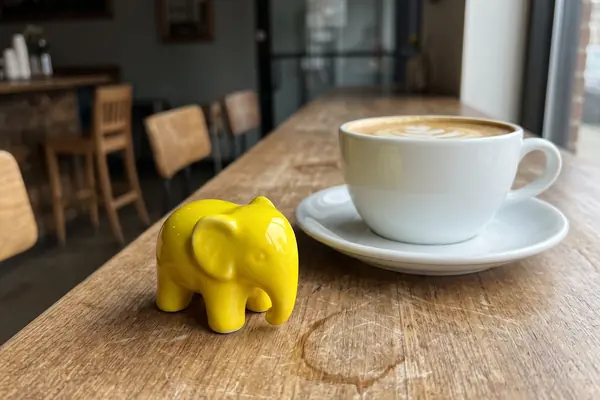
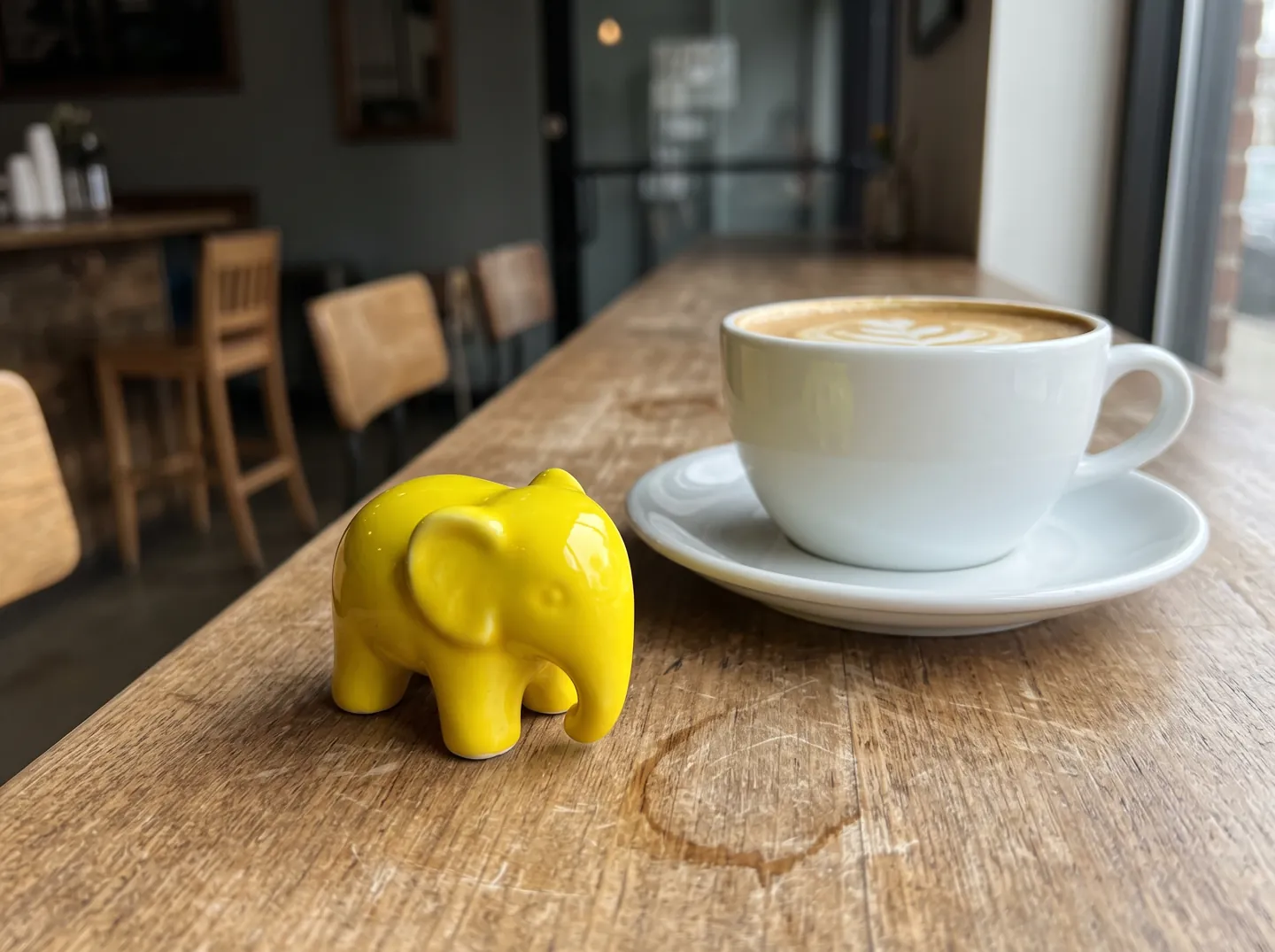
Participants who were told an elephant statue would remind them to pick up a paper clip (to trigger a $1 charity donation) followed through far more often than those given no cue.
CUE STUDY · PSYCHOLOGICAL SCIENCE
In a coffee shop test of the same idea, about 24% of customers told that a stuffed alien by the till would remind them used their coupon, against 17% of those given no cue.
FOUR HABITS TO TRY
None of these needs an app. They are about putting the reminder at the moment you can act and giving each task a clear when.
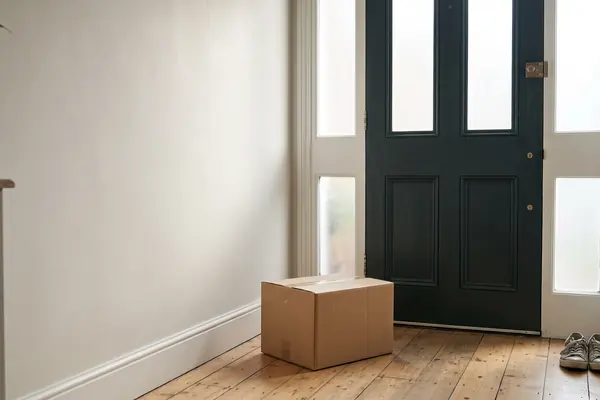
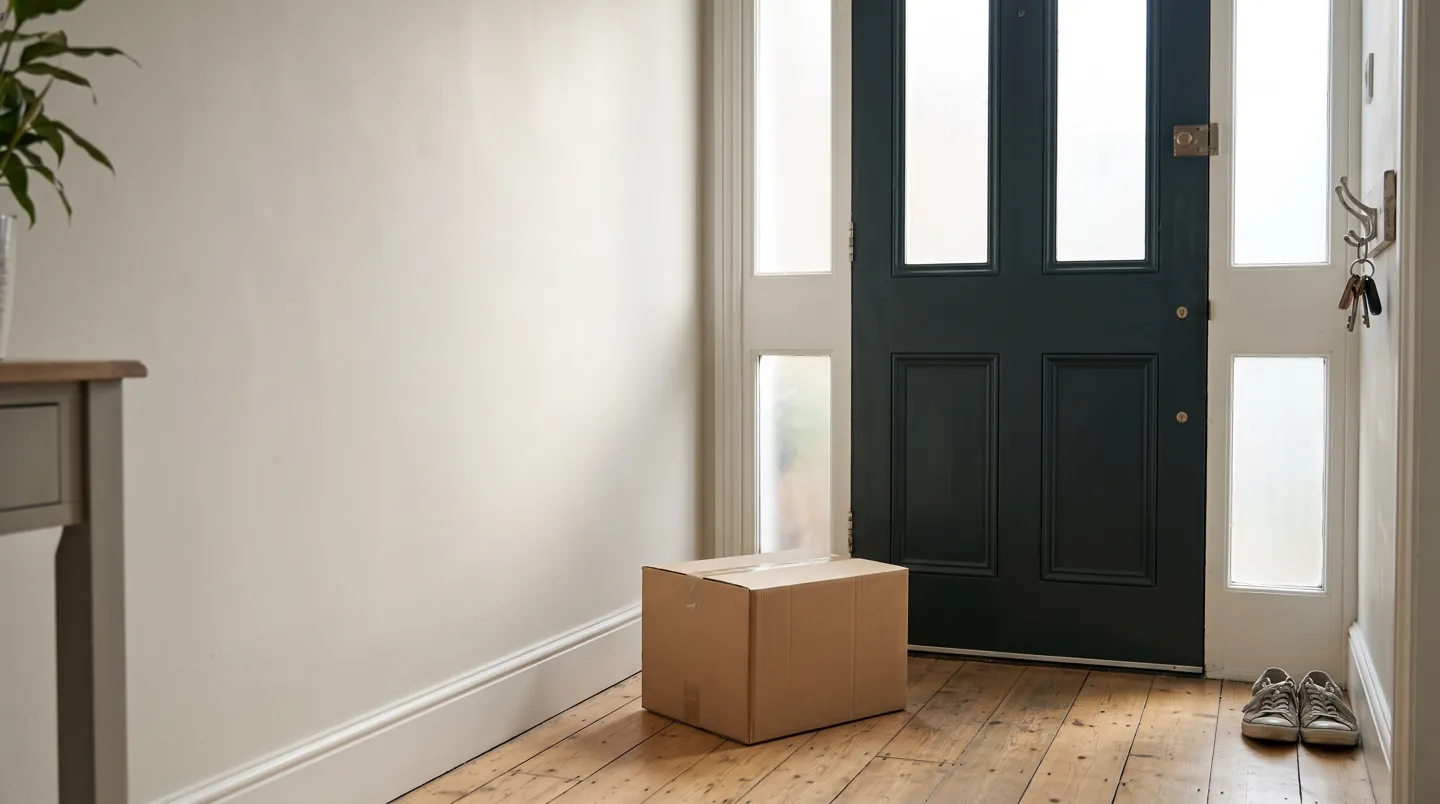
Put the thing itself where you cannot miss it: the parcel in front of the door, the bag on the handle.
An unusual object stands out; a cue that looks like everything around it is easy to walk past.
For tasks you cannot do now, note a specific plan for when you will do them, then let them go.
Save phone alerts for things that truly slip. Research suggests many of us underrate our memory.

THE OPEN LOOP
Psychologists have long noted that unfinished goals stay active in the mind. In lab studies, an unfinished task caused intrusive thoughts during reading and worse performance on an unrelated puzzle.
Masicampo and Baumeister found that letting people make a specific plan removed those effects. People who later carried out their plans showed no extra intrusions: once a plan is made, the mind can park the goal until the chosen time.
Questions
It is remembering to do something in the future, such as posting a letter or taking a dish out of the oven. Researchers contrast it with remembering facts or past events.
In a 2020 diary study, adults logged memory failures for a week. Forgotten intentions made up 64% of the coded entries and were rated the most serious and consequential type.
A reminder only helps if it is noticed at the moment you can act. In Rogers and Milkman's studies, distinctive cues worked better than ones that blended into their surroundings.
Not necessarily. UCL experiments found people leaned towards reminders even when relying on memory would have paid more, partly because they were underconfident about their memory.
Lab studies by Masicampo and Baumeister found that making a specific plan for an unfinished goal stopped it intruding on thoughts and interfering with other work.
Sources
ABOUT THIS NAME
tasksreminder.com is part of the DoodleSale portfolio. It isn't in an auction right now, but you can ask about leasing it.